The Unfiltered Truths About Online Dating That No Algorithm Will Ever Warn You About
Let me be honest with you. I have used dating apps a handful of times, so I am not someone who spent years swiping left and right in search of “the one.”
My current partner came into my life through a completely different route. That said, even a few experiences on these platforms were enough to teach me things I genuinely wish someone had spelled out before I ever downloaded a single app.
Talking to friends who have spent far longer on these platforms confirms it, there are things the apps will simply never tell you upfront, things buried beneath the marketing promises of “meaningful connections” and “compatibility matching.”
This article is for anyone who is thinking about joining a dating app, currently using one, or who has stepped away feeling a little confused about why it did not feel the way it was supposed to. You deserve the full picture.
***Please note that this site uses affiliate links if you would like to read the legal stuff you can find it here
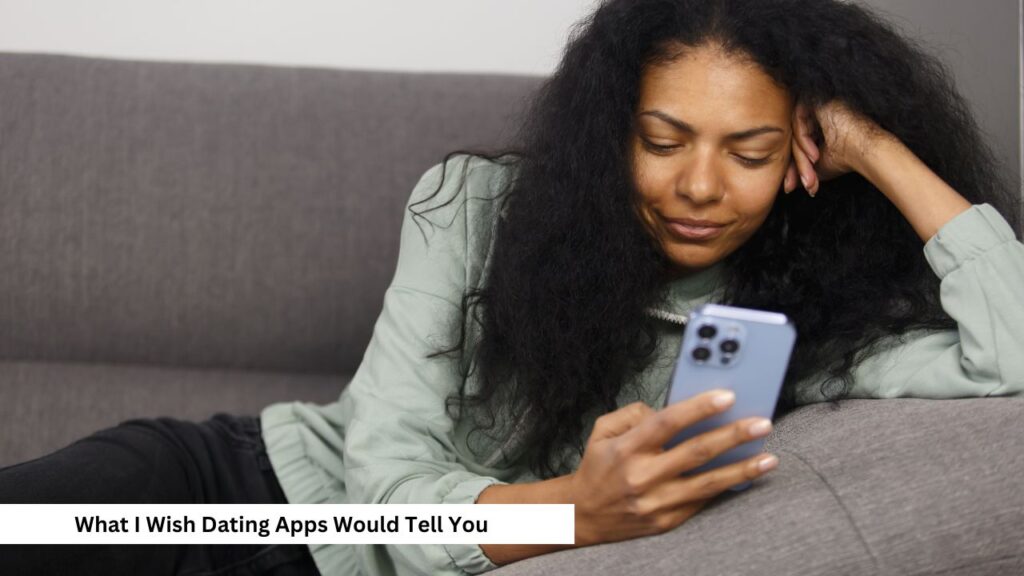
8 Things You Need To Know About Dating Apps
1. The Algorithm Is Designed to Keep You Searching, Not to Help You Find Someone
This is probably the most important thing to understand before you open any dating app. These platforms are businesses. Their revenue depends on subscriptions, premium upgrades, and continued engagement. The longer you stay on the app, the more valuable you are to them.
That means the algorithm is not necessarily built to find you the perfect match as quickly as possible. It is built to keep you interested enough to keep coming back. Features like “boost your profile,” “see who liked you,” or “unlimited swipes” are not tools designed out of generosity. They are monetisation strategies. The app has a financial incentive to make you feel like your next great connection is just one more swipe away.
Understanding this does not mean you cannot find a genuine connection through these platforms. People absolutely do. It simply means you should go in with clear eyes, knowing that your best interests and the platform’s business interests are not always the same thing.
2. Your Self-Worth Is Not Determined by Your Match Rate
Nobody tells you, when you create your profile, that the experience of being assessed at a glance is going to feel deeply strange for most people.
The swipe mechanic reduces human beings to a split-second visual judgment, and if the matches are not flowing in, it is almost impossible not to take it personally.
Here is what the apps will never put in their onboarding tutorial, match rates on dating apps are influenced by dozens of factors that have nothing to do with how attractive, interesting, or lovable you are.
The time of day you are active, which city you live in, how recently you joined (newer profiles often get an algorithmic “boost”), your profile photo quality, even the lighting in your main photo, all of these things affect your visibility and results.
People who are objectively wonderful in person often struggle on dating apps because their warmth, humour, and personality do not translate into a static profile. The apps measure what is measurable. They cannot measure chemistry, kindness, or the way someone makes you laugh.
3. Ghosting Is the Norm, Not the Exception
Before you start messaging people on a dating app, you need to know that ghosting is extraordinarily common. I have personally experienced it. It is not pleasant to hear, but having this information upfront saves a significant amount of confusion and hurt feelings later on.
Ghosting happens on dating apps at a rate that would be considered bizarre in any other social context because the structure of these platforms makes it easy to disappear. There is no mutual social circle to hold anyone accountable. There is no awkward corridor run-in on Monday morning. The apps make it frictionless to vanish, so many people do.
This is not a reflection of your worth or the conversation you had. When you go in knowing this, you can protect your emotional energy far more effectively. Respond to what is in front of you, enjoy the conversations that feel good, and try not to invest heavily in connection with someone you have never met in person.
4. Free Tiers Are Often Deliberately Frustrating
Dating apps are masterful at what product designers call “pain points.” The free version of most major dating apps is designed to give you just enough to feel the excitement of the platform, then systematically frustrate you into upgrading.
You might see that someone has liked your profile, but be unable to see who it is without paying. You might be limited to a small number of daily swipes. You might have great matches vanish if you do not respond quickly enough. These are not accidental limitations. They are intentional friction points designed to make the paid tier feel like relief.
Before you upgrade, it is worth asking yourself whether the friction is actually stopping you from finding a connection, or whether you are simply paying to remove discomfort that the app itself manufactured. Often, a thoughtful free profile used consistently will outperform a rushed premium one.
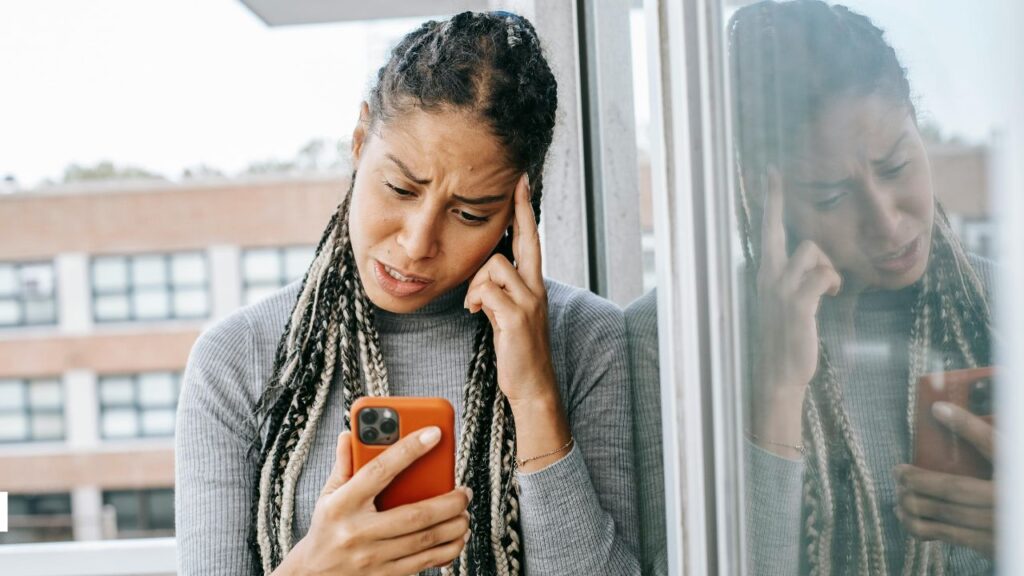
5. The Photos Matter More Than You Think, So Get Them Right First
Most people spend a lot of time writing their bio and very little time on their photos, when the data consistently suggests it should be the other way around. On virtually every dating app, photos drive the initial decision. A compelling bio rarely rescues a poor photo selection.
Specifically, the apps will never warn you that certain photo choices consistently underperform, regardless of how good you actually look in them. Group shots where it is unclear which person you are, photos with heavy filters that make you look very different in person, selfies taken at unflattering angles, or photos where your face is partially obscured all reduce your results significantly.
The most effective profiles tend to feature clear, naturally lit photos where you are genuinely smiling, ideally in a context that gives a hint of who you are. One good photo taken by a friend in good lighting, where you look happy and approachable, will perform better than ten heavily edited selfies.
6. Compatibility Is Built, Not Discovered
Perhaps the most misleading promise in all of online dating is the idea that the right algorithm will find you someone you are simply compatible with from the start. This is a deeply romantic idea, but it is also not quite how lasting relationships work.
Compatibility between two real people is not a static quality that either exists or does not. It is something that develops through shared experience, communication, navigating disagreement, and genuine effort over time. The apps present compatibility as something to be discovered, because that framing makes their matching systems seem powerful and necessary.
The truth is that many people who have built extraordinary relationships would not have looked like a strong algorithmic match on paper. Shared values matter enormously. Mutual respect, emotional availability, and a willingness to show up for someone, these things are not captured by personality quiz questions.
This is worth knowing because it changes how you approach the early stages of dating. Someone does not need to feel like an instant, frictionless match to become someone important to you.
7. Your Mental Health Deserves Protection Too
This is something nobody in the marketing materials will ever say, but dating apps can genuinely take a toll on your mental health, particularly if you are already in a vulnerable place or if you are prone to social comparison.
The combination of rejection (even in the gentle, impersonal form of an unreciprocated swipe), intermittent reinforcement (the unpredictable pattern of matches that keeps you coming back, much like a slot machine), and the visual nature of the platform can quietly erode your confidence in ways that are hard to name.
If you notice that using a dating app is making you feel worse about yourself rather than hopeful, that is meaningful information. Taking breaks is not failure. Deleting an app that is not serving your well-being is not giving up. Protecting your sense of self while dating is not optional, it is essential.
8. What the Apps Get Right (When You Use Them Wisely)
To be fair to these platforms, they do genuinely expand the pool of people you might meet, particularly in smaller cities or for people who have busy lives that do not naturally produce many opportunities to meet new people. They can work. Many people have found wonderful partners through them.
The key is using them intentionally rather than habitually. Set a limit on how much time you spend on them each day. Move conversations to real life relatively quickly, because a person reveals themselves far more in one coffee than in one hundred messages. Know your own values clearly enough that you are not outsourcing the entire job of partner selection to an algorithm.
Go in with clear expectations, a solid sense of self, and the understanding that the app is simply one tool among many.
It is not a guarantee, it is not a reflection of your worth, and it is certainly not the only way to meet someone remarkable.
Final Thoughts on What I Wish Dating Apps Would Just Tell You Upfront
Dating apps are not inherently good or bad. They are tools shaped by business interests, and like any tool, they work best when you understand what they actually are. Knowing that the algorithm is built for engagement, that ghosting is structural, that photos matter most, and that your match rate says very little about your actual value as a partner, all of this helps you navigate these platforms without losing yourself in them.
Whether you meet someone through an app, through a friend, at work, or through the kind of unexpected, unplanned encounter that no algorithm could ever engineer, what matters is that you show up as yourself. That is the one thing no app can optimise for you.
Enjoyed this article? Save it for later on Pinterest and share it with a friend who is navigating the world of online dating.
Related posts:
I started dating again at 43 after my divorce, here’s what surprised me!
7 Things no one prepares you for after divorce
Why I stopped going on first dates that felt like job interviews